Frequently Asked Questions (FAQ)
1. Is the spill containment bund resistant to chemical substances such as diesel fuel, glycol, ethanol, or 15% hydrochloric acid?
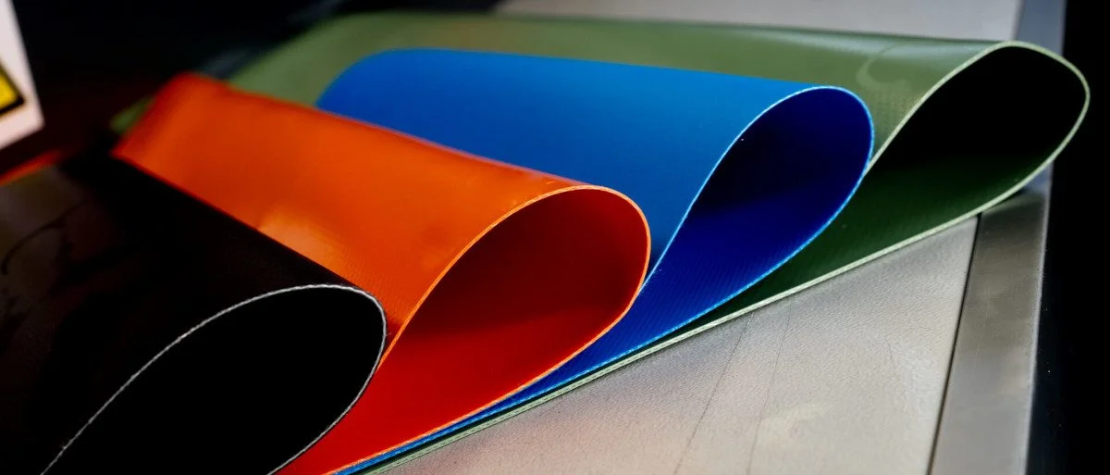
The “Plus” material version (EVA coating) is resistant to the aforementioned substances, as well as to most other chemical compounds commonly used in the industry. You can find the full compatibility list in the file ⇒ Spill Bund Chemical Resistance List.
2. Can I test the spill containment bund for free?
Yes – you can test the EFB Plus spill bunds free of charge. Exflo covers the shipping costs, allowing you to test the bund for 14 days at no expense. Simply fill out the form available at – Free Test.
3. Does every chemical substance need to be stored in a spill containment bund?
Every hazardous chemical substance should be kept within a secondary containment system designed to mitigate potential leaks. A spill containment bund is an ideal solution for this. The Safety Data Sheet (SDS) of the stored substance indicates whether the material is hazardous (look for hazard pictograms). Beyond the hazard category itself, it is always worth considering whether a potential spill onto the floor could cause workplace accidents, such as forklift skidding or a worker slipping.
4. What does the cleaning process for the spill containment bund look like?
In the event of a spill into the bund, the liquid should be removed using agents recommended by the substance manufacturer and in accordance with applicable safety guidelines for such incidents. In practice, appropriately selected sorbents are most commonly used.
5. Can a forklift be driven over the spill containment bund?
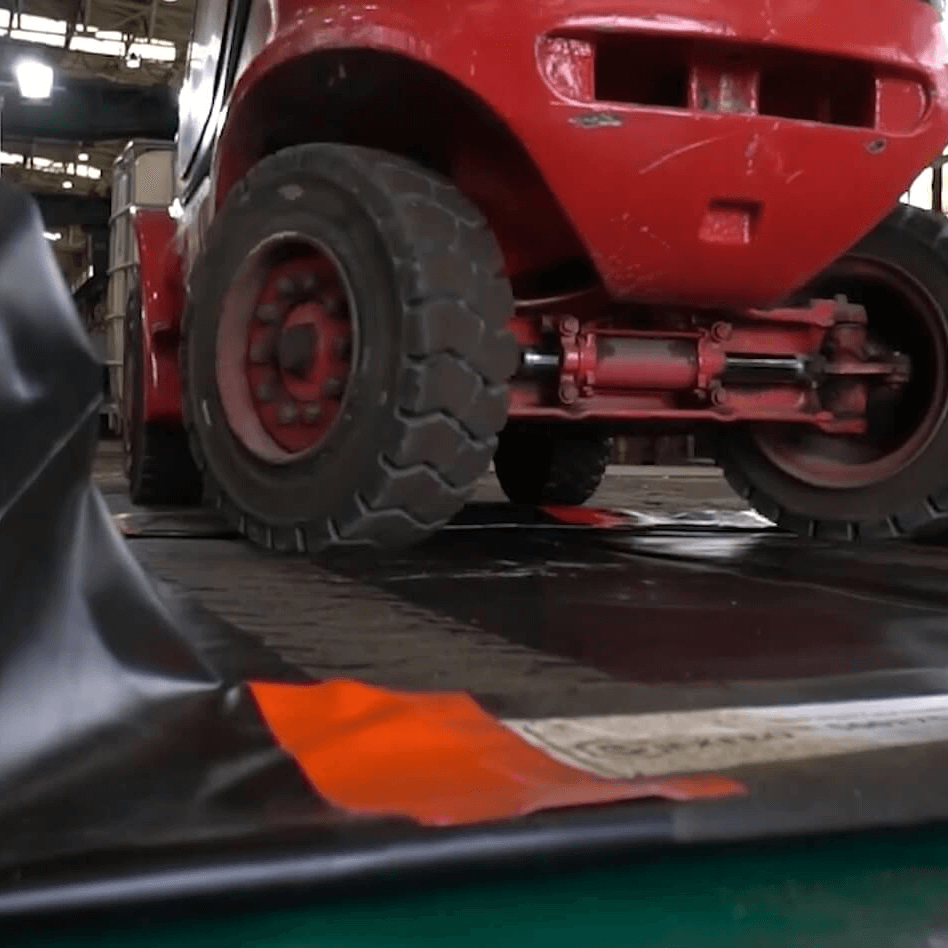
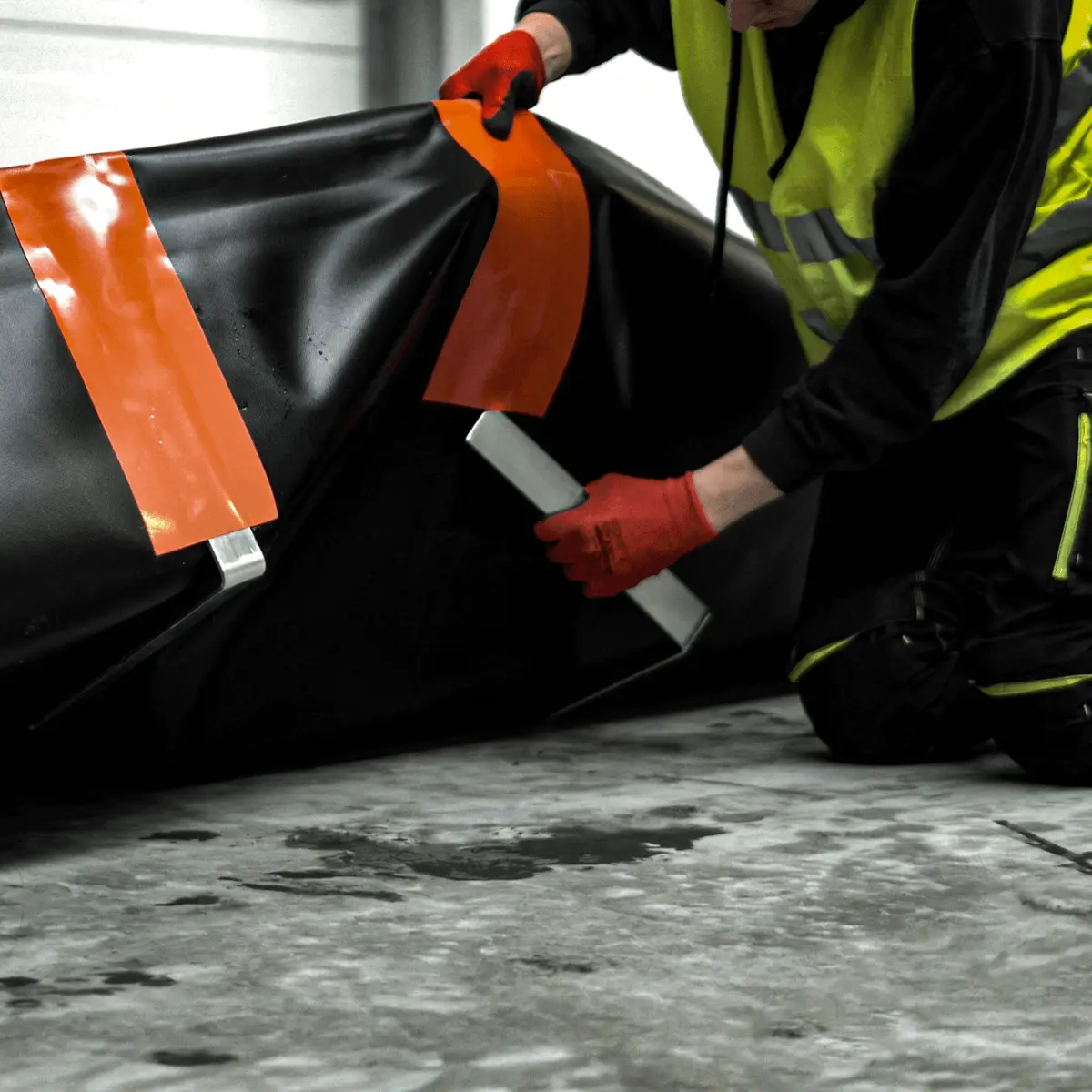
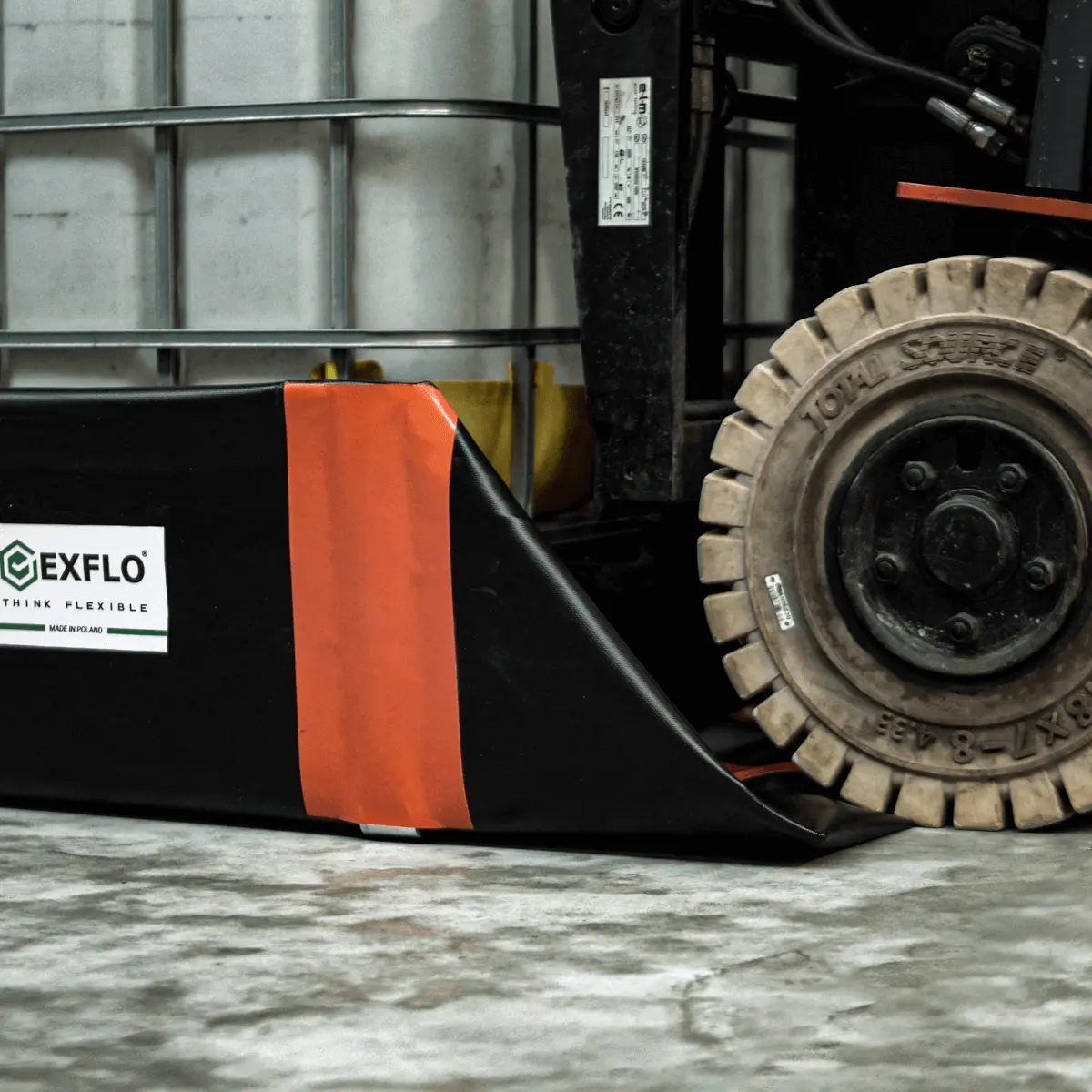
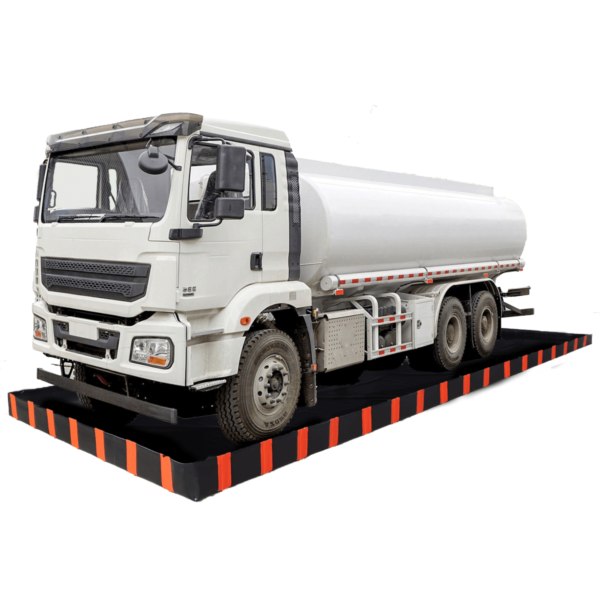
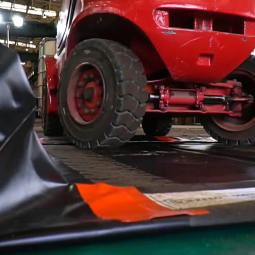
Yes – after removing the support brackets and flattening the side wall, you can drive a forklift or even a commercial truck directly over the surface of the bund. The material used in the EFB Plus version is exceptionally rugged and durable.
6. What is the containment capacity of the spill bunds?
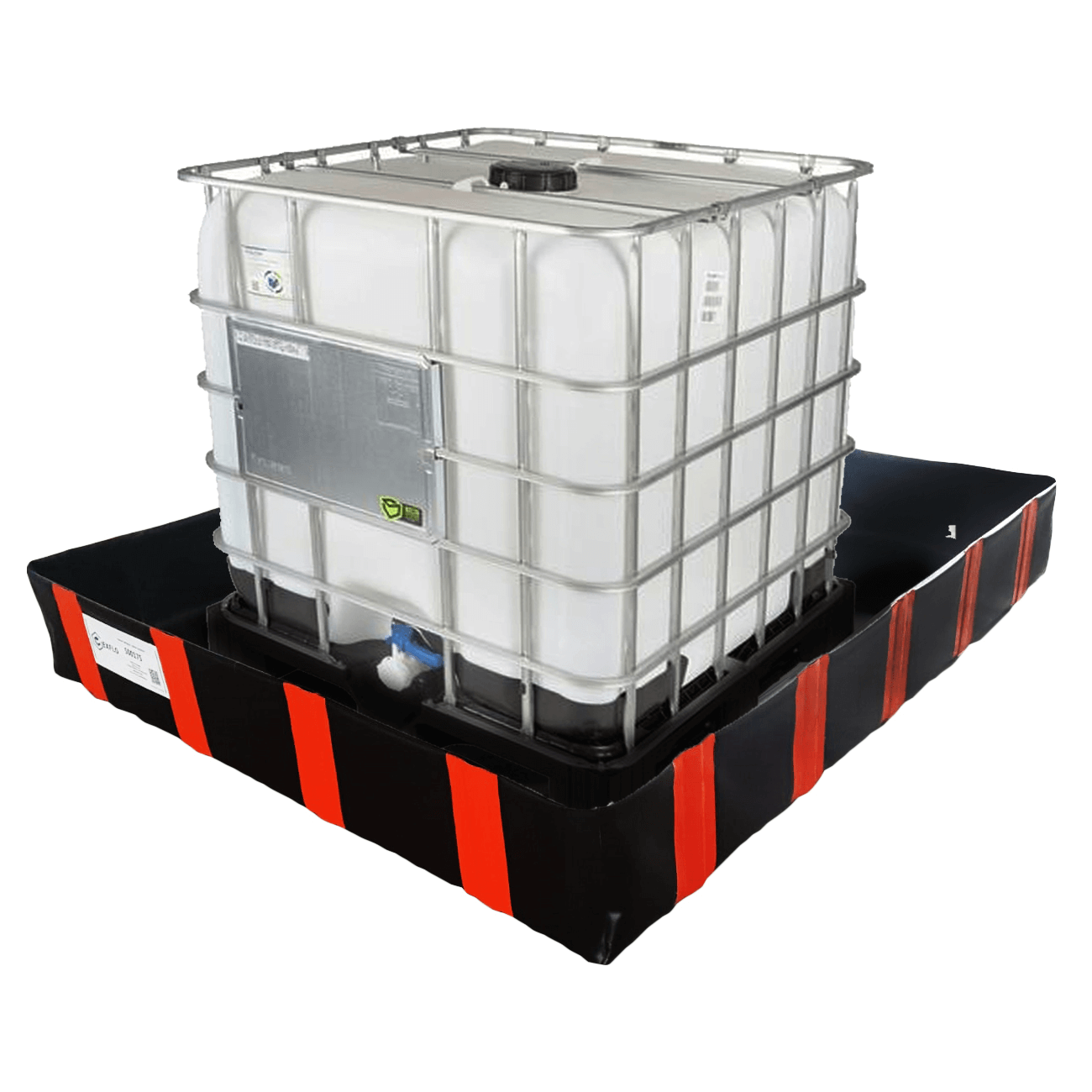
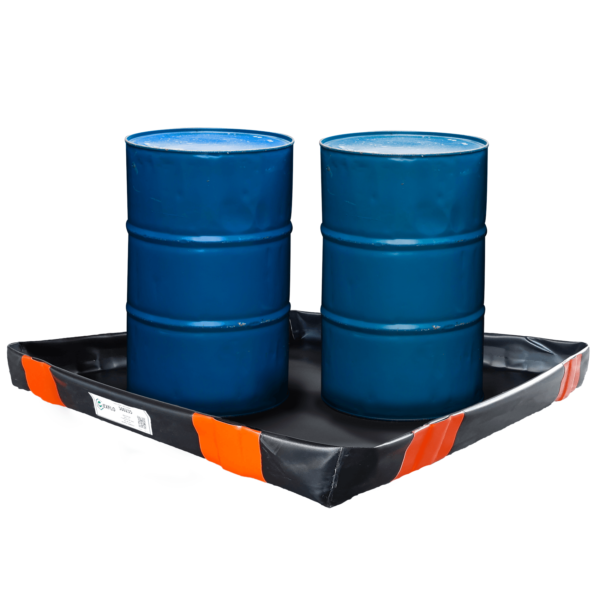
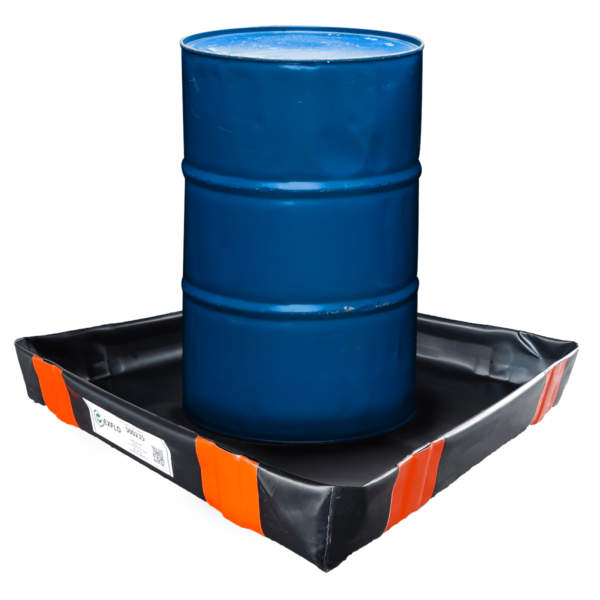
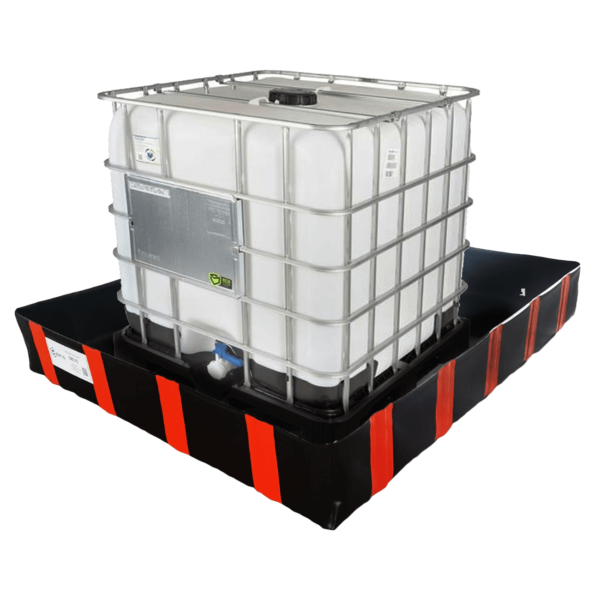
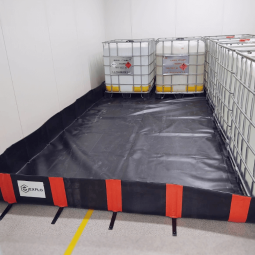
The containment capacity for each product is specified in our PDF price list available under Spill Containment Bunds. The stated capacity applies to an empty bund (without any containers inside), meaning the user must factor in and subtract the volume displaced by the containers placed within it. The bund models recommended by Exflo for a specific number of IBC totes or drums have pre-calculated capacities and will always retain a minimum of 110% of the single largest container placed inside.
7. What is the difference between the Standard and Compact versions?
The Standard spill bund features separate, slide-in support brackets, whereas the Compact version comes with built-in, integrated supports. The Standard bund is generally easier to handle because it is lighter, making it simpler to maneuver, move, deploy, and fold.
8. What should the capacity of a spill containment bund be?
As a matter of best practice, the capacity should be at least 110% of the volume of the largest stored container, or 25% of the total volume of all stored containers (whichever value is greater). In Poland, the latest legal basis mentioning containment bunds and capacity requirements—likely as a consequence of these industrial best practices—is the “Regulation of the Minister of the Interior and Administration of February 19, 2020, on fire protection requirements for buildings, structures, or parts thereof, and other sites designated for waste collection, storage, or processing.” It is worth keeping in mind that this specific regulation does not apply to the general storage of hazardous substances.